Last updated: April 27, 2026
Before the first coal mine opened, Marion County's economy ran on corn, livestock, and timber hauled to market on rough valley roads or floated down a dangerous stretch of the Tennessee River. That changed in the mid-1870s, when British capital arrived to develop the Sequatchie Valley's coal seams and iron-ore deposits. Over the next century and a half, the county moved through successive economic phases: extractive mining (coal at Whitwell, Victoria, and Orme; iron ore at Inman); railroad-era manufacturing (Dixie Portland cement at Richard City, stoves at H. Wetter in South Pittsburg, cast iron at Lodge); hydroelectric development under the Hales Bar and Nickajack dams; a modern poultry-dominated agriculture that now accounts for 58 percent of county farm sales; and the I-24 corridor economy of tourism, distribution, and commuter access to Chattanooga that grew up after 1962. Each successor phase preserved some infrastructure and labor from the one before it, but the balance of the county economy has shifted decisively since the last coal mine closed in 1997.
Agriculture
Agriculture was the county's first industry and remains, by dollar volume, one of its largest. Early Marion County farms concentrated on corn, livestock, and timber in the Sequatchie Valley bottomlands and the Tennessee River alluvial flats, a pattern that held through most of the 20th century. A modern contract-grower poultry economy now dominates: broilers and eggs accounted for 58 percent of the county's $43.1 million in farm product sales in 2022, and Marion ranks 16th of 95 Tennessee counties in poultry and egg receipts. Cattle, hay, soybeans, and corn fill out the remainder of the commercial farm mix alongside a strong direct-market and Tennessee Century Farms tradition.

Poultry
Broilers, eggs, and the contract-grower economy that now dominates Marion County agriculture. 918,298 broilers on inventory in 2022; 58 percent of county farm sales.

Agriculture (row crops, cattle, Century Farms)
Sequatchie Valley row crops, cow-calf cattle, hay production, the Tennessee Century Farms roster, and specialty operations including Sequatchie Cove Farm and Creamery.
Early Mills & Agrarian Industry
Before coal and cement, the valley's economy depended on small water-powered mills that ground corn, carded wool, sawed lumber, and kept blacksmith fires going for farm-country work. Most are gone; Ketner's Mill, on the Sequatchie River east of Victoria, has been in continuous Ketner-family operation since 1824 and is the most visible survivor.

Ketner's Mill (since 1824)
A grist, wool carding, and blacksmith operation on the Sequatchie River east of Victoria. Founded in 1824 by David Ketner, moved to its current site in 1868, and listed on the National Register of Historic Places in 1977.

Timber & Logging
Cumberland Plateau cutover that underwrote the coke-oven cordwood, coal-mine props, and NC&StL cross-ties of the industrial era, plus the chestnut blight and present-day forest cover.
Mining & Iron
Marion County sat atop rich deposits of coal and iron ore that attracted British-backed industrial development in the 1870s and 1880s. The operations were integrated across several company towns: Whitwell supplied coal, Victoria supplied coke, and Inman supplied iron ore, all feeding the smelters and foundries at South Pittsburg. The district was eventually outcompeted by Birmingham, Alabama, and contracted through the first half of the 20th century.

Coal & Coke Industry
The integrated coal-coke-iron-smelting complex that ran from the 1877 British-capital boom through the 1930s.
Battle Creek Mines
Tennessee's fifth coal mine (1854) at the future South Pittsburg site, the 1869–1876 post office that gave the town its first name, and the 1905 Battle Creek Coal & Coke Company at Orme. Covered as a historical community.

Victoria Coke-Oven Town
A 19th-century coke-oven company town that supplied fuel to the South Pittsburg smelters.
Inman Coal & Iron Ore
An iron-ore mining community that fed the regional smelting and coke operations.
Manufacturing
While mining was extractive, manufacturing turned raw materials into finished goods. The most enduring of these enterprises is Lodge Cast Iron, founded in South Pittsburg in 1896 and still operating today. Dixie Portland Cement, built around a company town at Richard City, supplied cement to construction markets across the Southeast through much of the 20th century.
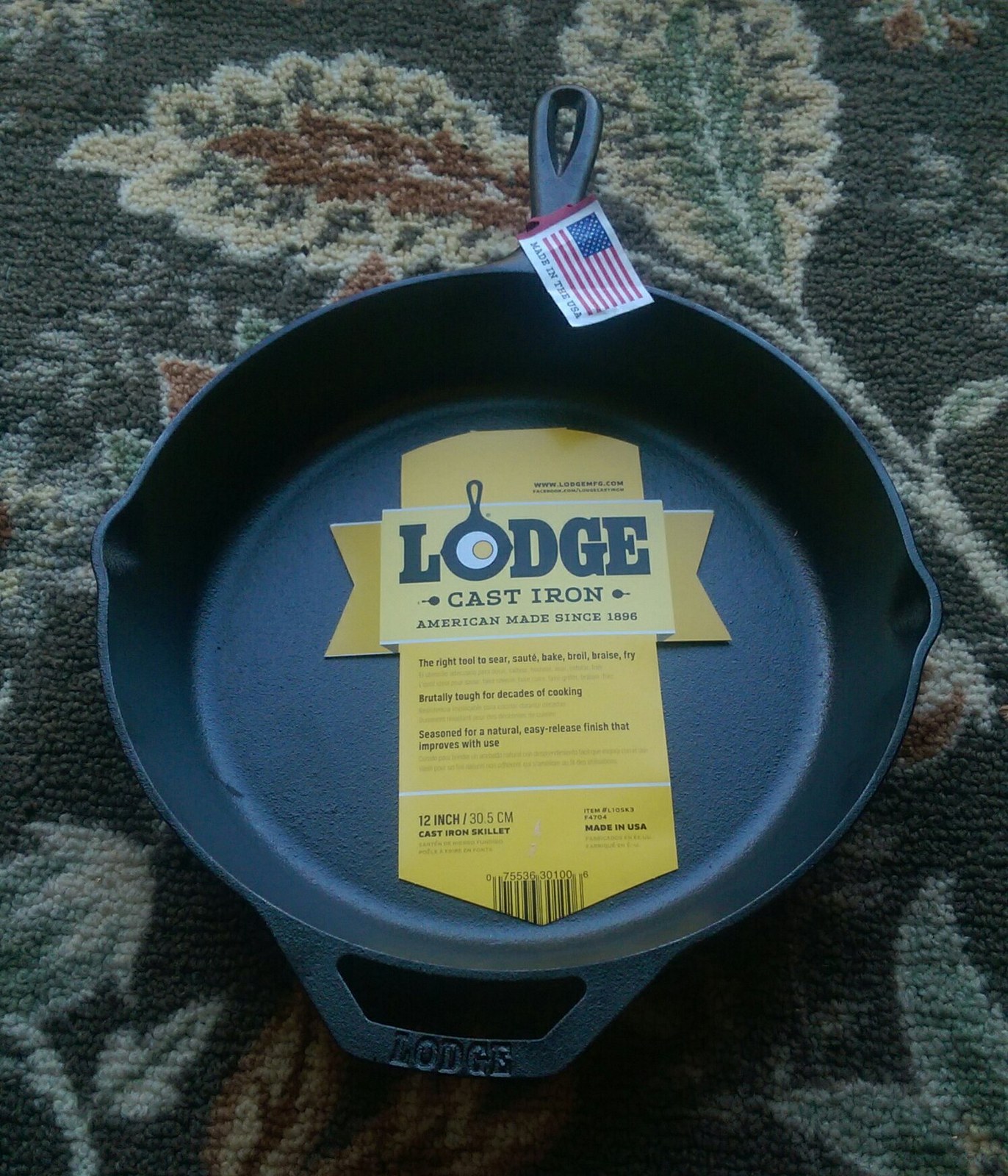
Lodge Cast Iron (since 1896)
A family-owned cast-iron cookware manufacturer that has operated in South Pittsburg for more than 125 years.

Dixie Portland Cement
The cement manufacturer that built the company town of Richard City and supplied construction markets across the Southeast.

South Pittsburg Foundries
The iron and metal trades beyond Lodge: the 1876 British-capital founding, H. Wetter Manufacturing, the 1910 Blacklock fire, and the broader South Pittsburg foundry cluster.
Labor History
Marion County's industrial era was built on dangerous work. Coal mining, coke production, iron smelting, dam construction, and cement making killed and injured workers on a scale that shaped the county's politics and its communities. The 1892 Coal Creek War at the Inman stockade, the 109 deaths during Hales Bar Dam construction, the 1927 Christmas Night Shootout at South Pittsburg's H. Wetter plant, the 1939 Orme coal strike, the 1981 No. 21 Mine explosion at Whitwell that killed thirteen miners, and the 1981 Penn-Dixie union vote at Richard City all belong to the same labor record.

Mine Strikes, Dam Deaths, and Convict Leasing
The 1892 Coal Creek War at Inman, 109 deaths at Hales Bar, the 1939 Orme strike, the 1927 Wetter labor dispute, the 1981 No. 21 Mine explosion, and the Penn-Dixie union vote.

The 1927 Christmas Night Shootout
The Christmas-night gun battle on Cedar Avenue that killed Sheriff Wash Coppinger and five other officers, the climax of an eight-year labor dispute at the H. Wetter stove plant.
Transportation
The Tennessee River, the NC&StL Railway, the US 41 Dixie Highway corridor, and later Interstate 24 together make up Marion County's transportation backbone. Historic ferries (Rankin's Ferry between Guild and Shellmound, Betsy Pack's ferry at Jasper) linked the river communities before modern bridges. The Shelby Rhinehart Bridge, a 1981 steel tied-arch span locally known as the "Blue Bridge," replaced the last ferry at South Pittsburg and remains one of the county's most recognizable landmarks.

Transportation History
River navigation, Rankin's and Kelly's Ferries, the NC&StL and Pikeville Branch railroads, US 41, I-24, and Marion County Airport.

Shelby Rhinehart “Blue” Bridge (1981)
The 1,514-foot steel tied-arch bridge carrying SR-156 over the Tennessee River, replacing the South Pittsburg ferry after 75-plus years of operation.

U.S. 41 & the Dixie Highway
The original north-south highway corridor through Monteagle, Jasper, Kimball, and South Pittsburg, the pre-interstate commercial engine of the Sequatchie Valley.

Marion County Airport & Henson Gap
The county's general-aviation airport (APT / Brown Field) at Jasper and the Tennessee Tree Toppers hang-gliding complex at Henson Gap and Whitwell.
Railroads
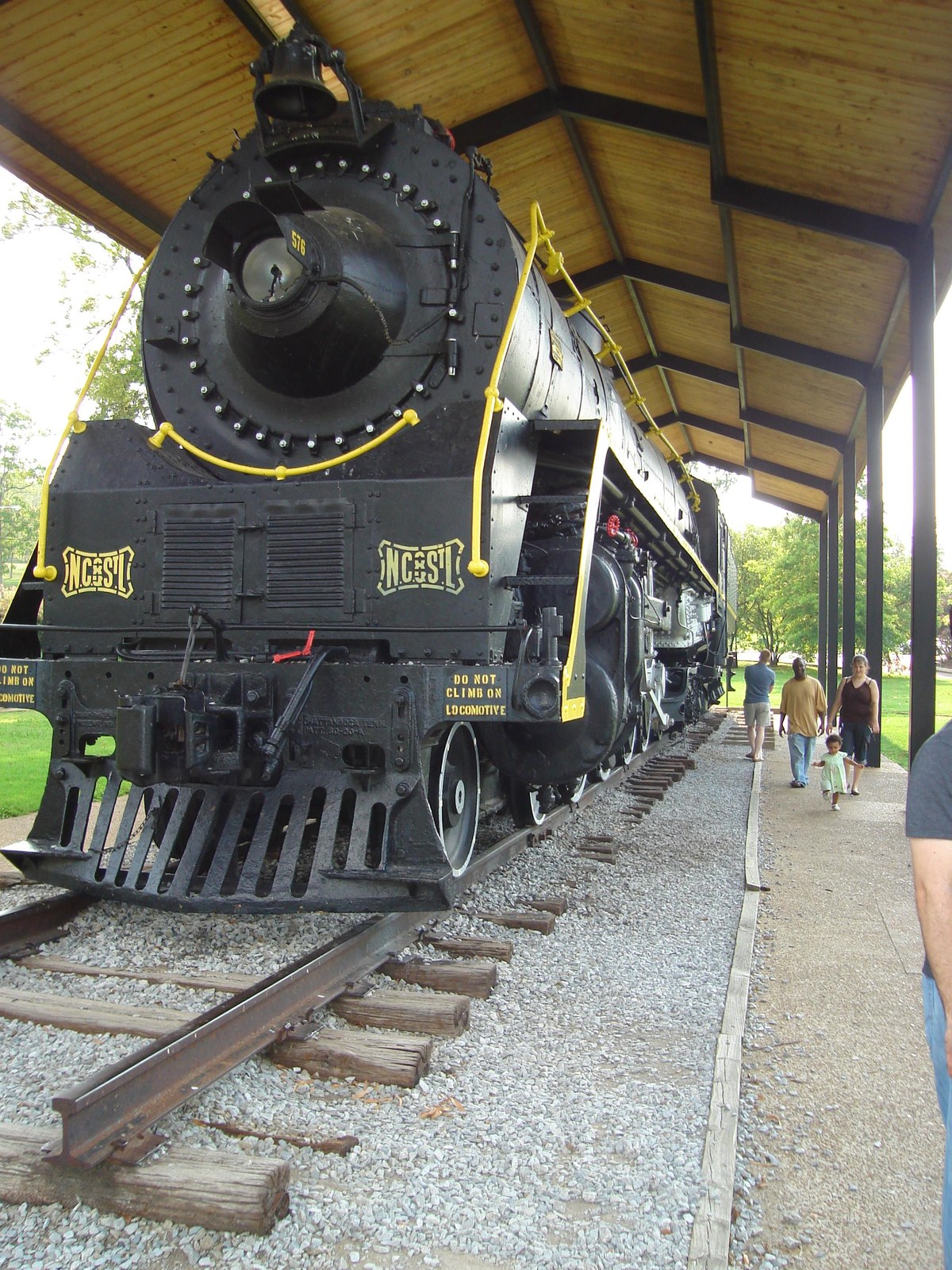
The Nashville, Chattanooga & St. Louis Railway (NC&StL) was the circulatory system of Marion County's industrial economy. Its lines through the Sequatchie Valley tied together the coal, coke, iron, and cement operations and connected them to national markets. The NC&StL was absorbed into the L&N in 1957 and later into CSX; portions of the historic route are still in service.
The NC&StL Railway
The Nashville, Chattanooga & St. Louis Railway and its Sequatchie Valley Branch: depots, branch lines, and the rail backbone of the industrial era.
Railroads of Marion County
The corridor-by-corridor inventory: smaller branches, the Mountain Goat (Sewanee Mining) line, Condra Switch and the flag-stops, industrial spurs, and the post-1985 abandonments.
Hydroelectric Dams
Two major dams have controlled the Marion County stretch of the Tennessee River. Hales Bar Dam, built by Jo Conn Guild's Chattanooga and Tennessee River Power Company between 1905 and 1913, was one of the earliest private hydroelectric projects in the country. It suffered chronic karst leakage through its limestone foundation and became the center of a landmark legal fight between the Tennessee Electric Power Company and TVA. TVA replaced it with Nickajack Dam in 1967, about six miles downstream at a more stable site.

Hales Bar Dam (1913)
A private hydroelectric dam on the Tennessee River (1905 to 1967), plagued by karst leakage. Its story includes the TEPCO vs. TVA legal battle and 109 construction deaths.

Nickajack Dam (1967)
A TVA hydroelectric project that replaced Hales Bar Dam and created Nickajack Lake.
Healthcare
Marion County's first dedicated public hospital was the South Pittsburg Municipal Hospital, which opened on Holly Avenue in 1959 and served the lower Sequatchie Valley until it closed in 1998. Its replacement, Grandview Medical Center, opened that same year on the northern edge of Jasper at a cost of about thirty million dollars and is known today as Parkridge West Hospital after joining the HCA-owned Parkridge Health System in 2014. The South Pittsburg building has had an unusual second life since 2014 as the Old South Pittsburg Hospital Paranormal Research Center.

Modern Economy
The construction of Interstate 24 through Marion County between 1962 and 1971 reshaped the local economy by tying the Sequatchie Valley into the Chattanooga-Nashville freight corridor. Retail and services clustered at the Kimball interchange; tourism to Foster Falls, Nickajack Lake, the Tennessee River Gorge, and Sweetens Cove Golf Club benefits from I-24 access; and distribution and automotive-supply employers serve the regional Chattanooga cluster. Lodge Cast Iron's 2017 expansion paired a new South Pittsburg foundry with a 212,000-square-foot distribution center in New Hope across the Blue Bridge, making Lodge the county's largest private industrial operation.

Interstate 24 & Regional Connectivity
The highway corridor through Marion County, Sequatchie Valley, Monteagle Mountain grade, and the Kimball interchange.

Tourism & Recreation
Foster Falls climbing, Nickajack Lake, Sweetens Cove Golf Club, hang gliding, the National Cornbread Festival, Jasper Highlands, and the post-extraction economy.
Shifts Over Time
Marion County's economy has moved through successive phases: extractive industries (coal, iron, coke) in the 19th and early 20th centuries; railroad-era manufacturing (Dixie Portland cement, Wetter stoves, Lodge cast iron) anchored by the NC&StL; hydroelectric development under Hales Bar and Nickajack Dam; a late-20th-century pivot to contract-grower poultry that now produces 58 percent of county farm sales; and an I-24 corridor tourism, distribution, and outdoor- recreation economy that has expanded since Foster Falls, Nickajack Lake, and Sweetens Cove Golf Club became nationally-known destinations. Lodge Cast Iron, still family-owned and operating in South Pittsburg since 1896, is the most visible continuous thread across these phases.
Sources
- Lodge Cast Iron — Social Responsibility and Manufacturing History
- Wikipedia — Nashville, Chattanooga and St. Louis Railway
- Wikipedia — Hales Bar Dam
- Wikipedia — Interstate 24 in Tennessee
- USDA NASS — 2022 Census of Agriculture County Profile, Marion County
- Tennessee Century Farms — Marion County
- Data USA — Marion County, TN Economic Data
- Tennessee Encyclopedia — Marion County