Last updated: April 27, 2026
Cast iron has been poured in South Pittsburg since 1896. Cornbread cook-offs have drawn thousands to that same town every April since 1997. In Whitwell, a German railcar holds over 30 million paper clips collected by middle schoolers to memorialize the Holocaust. In Jasper, a four-season town calendar of Easter, Fourth of July, Halloween, and Christmas events runs through the courthouse square; on Labor Day weekend, Whitwell honors the coal miners who worked its hills; and the Monteagle Mountain Market has drawn regional craft artists each summer since the late 1950s. The Sequatchie Valley's fiddle tradition, preserved in recordings by Joseph Decosimo and Clyde Davenport, runs in parallel with church-hymn singing that has been part of Marion County religious life since the 1820s. The county's cultural identity is rooted in specific places, industries, and long-running traditions, shaped by Appalachian heritage and by the particular history of the Sequatchie Valley, the Cumberland Plateau, and the Tennessee River Gorge.
The Paper Clips Project
In 1998, eighth-grade students at Whitwell Middle School began a project to collect six million paper clips, one for every Jewish victim of the Holocaust, as a way to grasp the scale of the loss. The project expanded beyond the classroom: students received paper clips from all 50 states and more than 100 countries. A German railcar, of the type used to transport prisoners to concentration camps, was brought to Whitwell's campus to house the collection. The project was the subject of the 2004 documentary film Paper Clips, which drew international attention to the school.

Cast Iron, Cornbread, and the South Pittsburg Tradition
Lodge Cast Iron has operated continuously in South Pittsburg since 1896 and remains the county's largest private employer. The annual National Cornbread Festival, held on the last weekend of April since 1997, pairs Lodge's skillets with the Southern cornbread tradition that is central to Marion County foodways. Cast iron, cornbread, and the cook-off together constitute the county's most visible food-culture export.
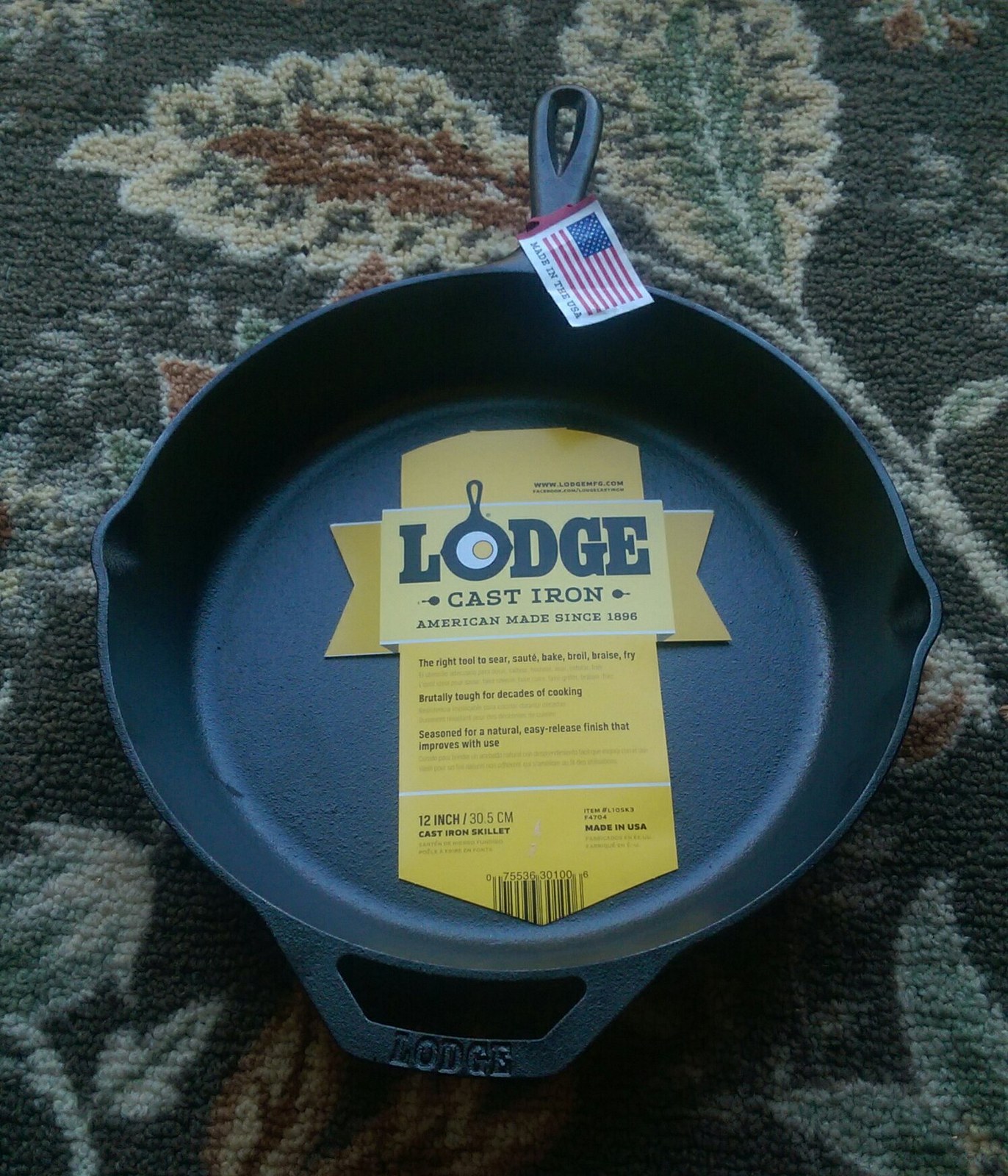
Lodge Cast Iron Manufacturing
A family-owned cast-iron cookware manufacturer operating in South Pittsburg since 1896.

National Cornbread Festival
An annual festival held in South Pittsburg since 1997, featuring the National Cornbread Cook-Off.

Foodways
Cornbread, pot likker, sorghum, cured pork, wild game, and the contemporary Sequatchie Cove Creamery tradition.
Festivals, Fairs, and Civic Celebrations
The Marion County festival calendar stretches across every season. The National Cornbread Festival draws 40,000 visitors to South Pittsburg each April; Whitwell's Labor Day Celebration and Coal Miner's Reunion has run every September since 1959; Monteagle's Mountain Market for Arts & Crafts has drawn regional artisans each summer since the late 1950s; and Jasper's four-season town calendar of Easter, Fourth of July, Halloween, and Christmas events ties the courthouse square to the county's civic life. The Marion County Fair, which ran for decades at the Jasper fairgrounds with a Fair Queen and Princess pageant begun in 1958, is no longer held.

Festivals and Fairs
The year-round calendar of Marion County fairs, festivals, and civic celebrations.
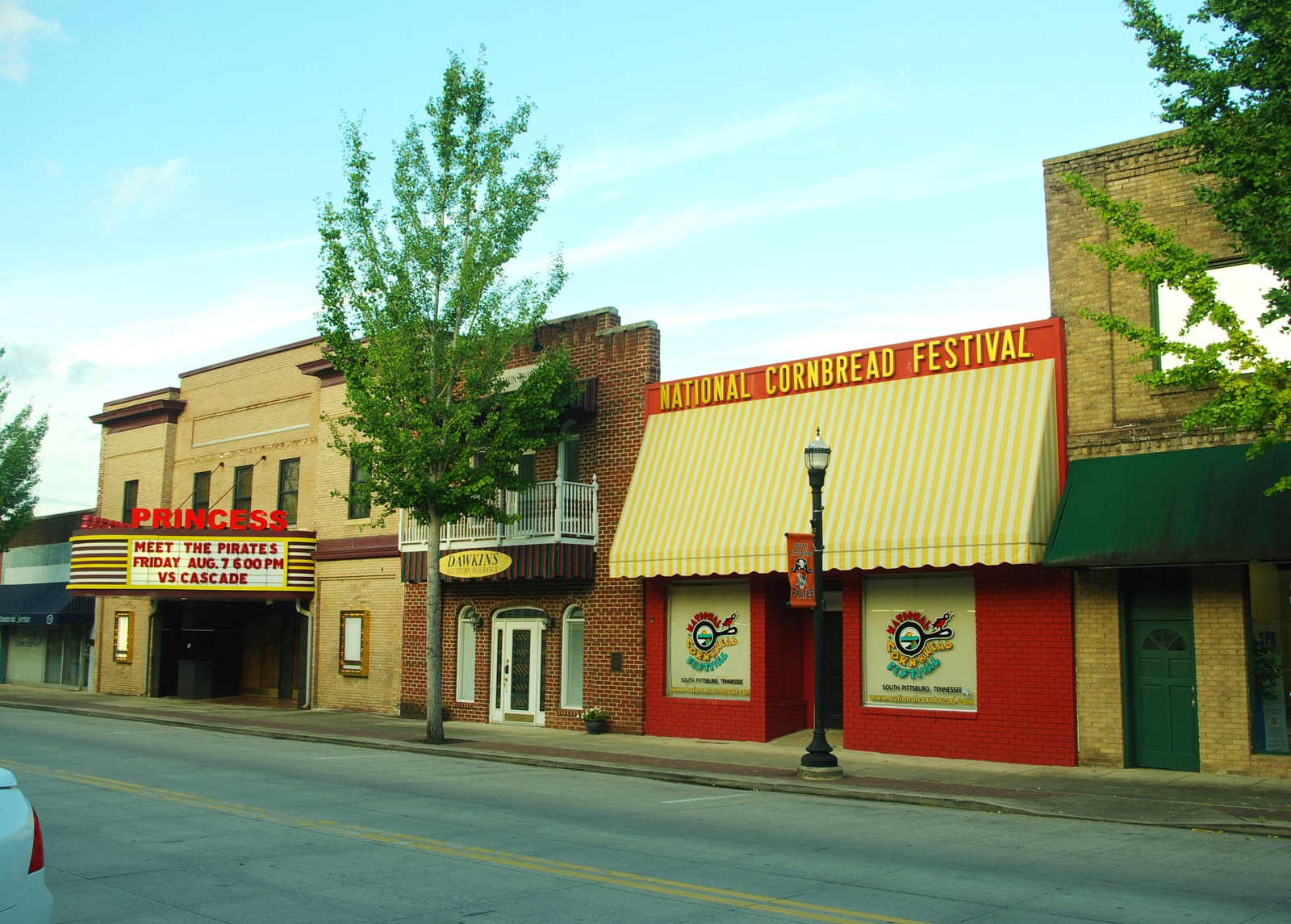
The Princess Theatre
South Pittsburg's 1921 Cedar Avenue theater, restored and reopened in 2014 by the Historic Preservation Society.

Civic Life
Masonic lodges, American Legion posts, volunteer fire departments, and the Main Street programs that carry Marion County's civic work.
Religious History and Cemeteries
Marion County's religious landscape took shape in the 1820s through the 1840s, when scattered Primitive Baptist, Cumberland Presbyterian, and Methodist congregations organized along the Sequatchie Valley and the Battle Creek bottomlands. The late-19th century coal and iron boom added Baptist and Methodist congregations in the industrial towns, and segregated Black congregations grew alongside them. Four Marion County church buildings are listed on the National Register of Historic Places, and the Kelly's Ferry Cemetery is the county's only NRHP-listed cemetery.

Religious History
Primitive Baptist, Cumberland Presbyterian, Methodist, Pentecostal, and Black congregations from the 1820s to today.

Churches
Surviving historic church buildings of Marion County, organized by structure: the Chapel on the Hill, Sweeten's Cove Primitive Baptist, the Cumberland Presbyterian meeting houses, and the Religious Trail churches.

Cemeteries
Kelly's Ferry Cemetery (NRHP), the Bean-Roulston Cemetery at Sweeten's Cove, and the submerged Long cemetery at Mullins Cove.
Music, Folklore, and Local Lore
Marion County sits within a broader Appalachian cultural region where music, folklore, and folk medicine have deep roots. The Sequatchie Valley and Walden Ridge have a documented fiddle tradition preserved by Joseph Decosimo's 2012 Sequatchie Valley album and by Clyde Davenport's Cumberland Plateau repertoire. Hales Bar Dam, where more than 100 workers died during construction between 1905 and 1913, is the county's most documented haunting site. Johnny Cash's 1967 episode at Nickajack Cave; the Suck rapids, drowned by Hales Bar Dam in 1913; and Sweetens Cove Golf Club's rise from near-collapse to national acclaim are three stories, two historical and one contemporary, that carry the county's public identity.

Music Heritage
Sequatchie Valley fiddle tradition, the Two Poor Boys, and the broader Appalachian stringband lineage.

Folklore and Local Lore
Ghost stories, folk medicine, granny-women healers, and oral tradition from the Sequatchie Valley and Tennessee River Gorge.

Moonshine and Prohibition
Tennessee's early dry laws, Cumberland Plateau still sites, and the unlicensed distilling tradition.

Johnny Cash at Nickajack Cave
In 1967, Johnny Cash drove to Nickajack Cave intending to die there. He emerged with what he described as a religious experience that led him toward recovery.

“The Suck” Rapids
A historic stretch of Tennessee River rapids in Marion County, largely submerged by Hales Bar Dam in 1913 but still part of local memory.
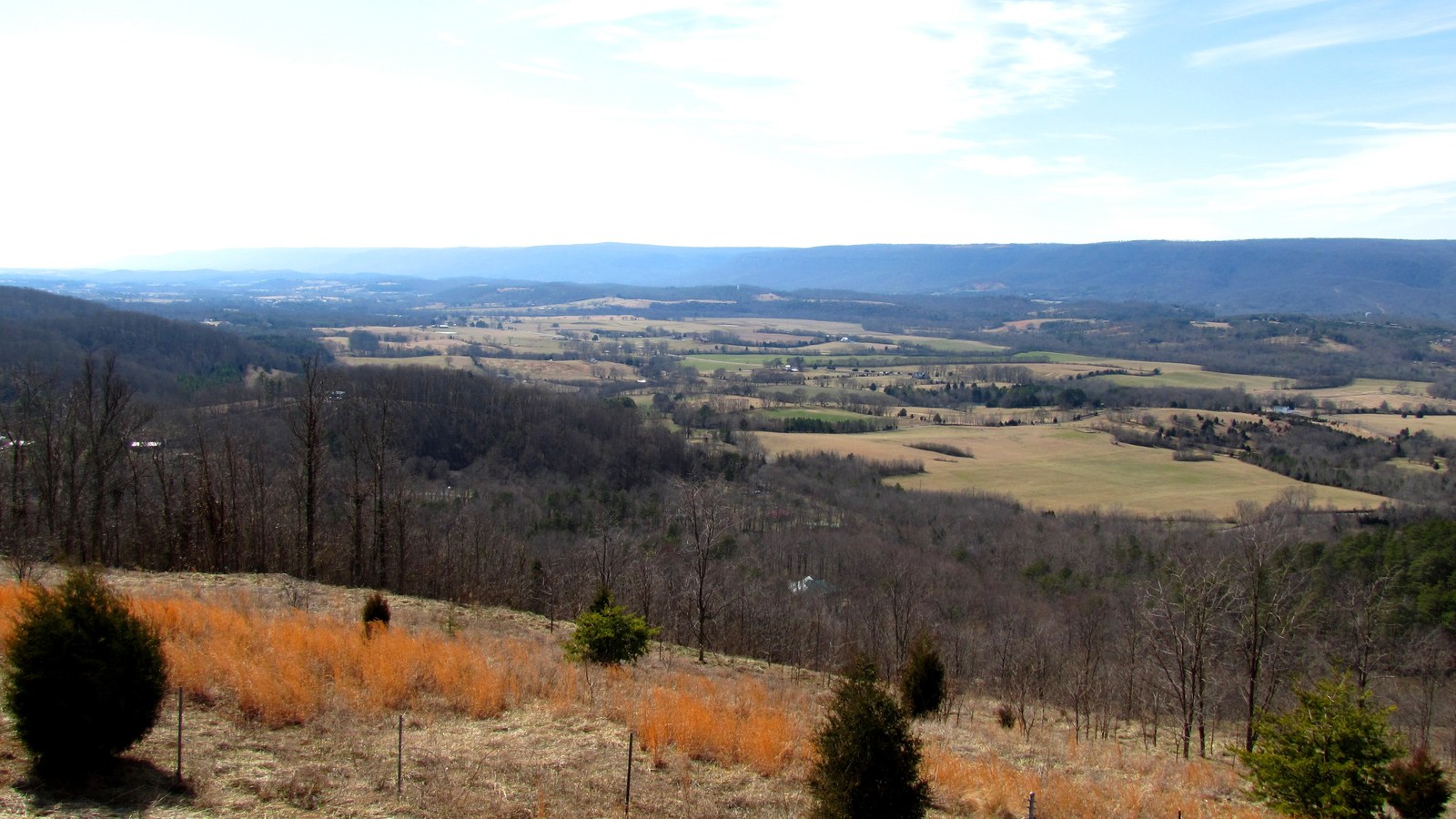
Sweetens Cove Golf Club
A 9-hole public course opened in 2014, designed by Rob Collins and Tad King, with an ownership group that has included Peyton Manning and Andy Roddick.
Regional Landmarks
Two Marion County landmarks sit on the regional traffic corridor itself rather than in the county's towns: Jim Oliver's Smoke House on Monteagle Mountain, which defined the Chattanooga-to-Nashville traveler stop for 46 years until the April 2021 fire; and the Mountain Goat Trail, a rail-to-trail that runs along the former NC&StL Mountain Goat branch through Sewanee, Monteagle, and Tracy City.

Jim Oliver's Smoke House
The Monteagle Mountain country restaurant that defined the Chattanooga-to-Nashville traveler stop for 46 years.

Mountain Goat Trail
The rail-to-trail that follows the former NC&StL Mountain Goat branch from Sewanee through Monteagle to Tracy City.
Old Roots, New Stories
Lodge Cast Iron has been pouring skillets for over 125 years; the National Cornbread Festival has run since 1997; the Paper Clips Project began in 1998; Sweetens Cove Golf Club opened in 2014; the Princess Theatre in South Pittsburg was restored and reopened in 2014; and the Smoke House Patio Grill continues the Monteagle tradition after the 2021 fire that destroyed the main restaurant. Marion County's cultural identity keeps adding layers without shedding the older ones.
Sources
- Wikipedia — Paper Clips Project
- National Cornbread Festival
- Lodge Cast Iron — Manufacturing Heritage
- Wikipedia — Sweetens Cove Golf Club
- Sleepy Cat Records — Joseph Decosimo
- The Smoke House — Monteagle
- Mountain Goat Trail Alliance
- The Princess Theatre — South Pittsburg
- Tennessee Encyclopedia — Marion County